When a Missing Child Comes Home A Story About Hope Healing and a Second Beginning
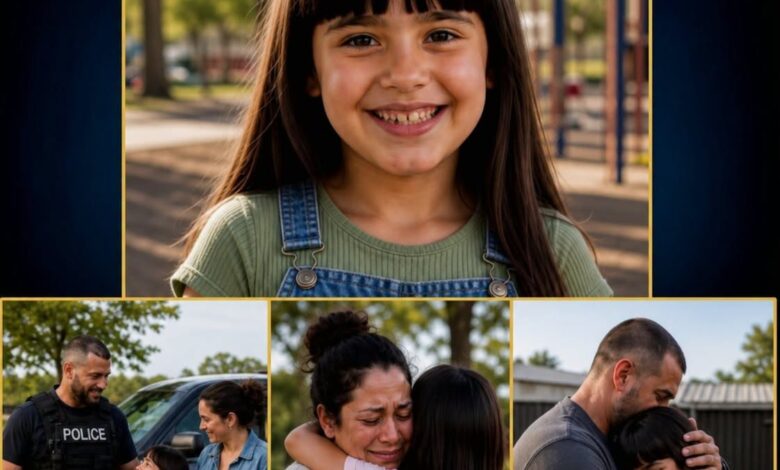
When a missing child is found alive, the news can feel like the ending everyone prayed for. Searchers stop, posters come down, and a family finally receives the call it has imagined through months or years of uncertainty. Yet the moment of return is not a simple conclusion. It is the beginning of a fragile new chapter for the child and for everyone waiting at home.
Public attention often focuses on the reunion. That first embrace carries relief too deep for photographs to explain. Parents and relatives may feel joy, disbelief, anger, grief, and gratitude at the same time. A child may be overwhelmed by familiar faces, unfamiliar routines, questions, and expectations arriving all at once.
Coming home does not erase what happened while the child was missing. There may be memories that are difficult to describe, periods that remain unclear, or feelings the child does not yet understand. Even when a child appears calm, healing can require patience, privacy, and professional support rather than immediate demands for a complete account.
Investigators have their own responsibilities. They may need to establish where the child was, who was involved, and whether anyone else remains at risk. Those questions are important, but trained professionals know that information must be gathered in a way that does not cause further harm. Repeated questioning by relatives, neighbors, and strangers can place an additional burden on a child who has already endured too much.
Medical care may be needed even when no obvious injury is visible. Doctors can evaluate physical health, nutrition, sleep, medication needs, and any signs that require treatment. Mental health professionals can help the child process fear, confusion, loss, and the complicated transition back into ordinary life.
Families also need support. During a disappearance, every day may revolve around searching, answering calls, sharing information, and surviving uncertainty. Once the child returns, that emergency rhythm stops abruptly. Relief can uncover exhaustion and trauma that were pushed aside while the search continued.
Counselors, advocates, doctors, investigators, teachers, and social workers can form a quiet safety net around the family. Their work is rarely visible in a celebratory headline. It may involve creating a predictable schedule, preparing a careful return to school, arranging private therapy, protecting personal information, and helping relatives respond to difficult behavior without interpreting it as rejection.
The child may need control over small choices. Deciding when to speak, what to wear, where to sit, or whether to join a family activity can help rebuild a sense of safety. Ordinary routines such as a regular meal, a bedtime ritual, or a familiar song can become important anchors.
Recovery does not follow a straight line. A good day can be followed by nightmares, withdrawal, anger, or anxiety. Anniversaries, sounds, places, and news coverage may trigger reactions long after the return. These changes do not mean the family has failed. They are reasons to keep support steady and expectations realistic.
The community’s role changes once the search ends. Sharing identifying details that once helped locate the child may now invade privacy. Speculating about what happened, repeating rumors, or approaching the family for photographs can interfere with recovery. The most helpful response may be a meal left quietly at the door, practical assistance, or respectful distance.
Schools must balance normality with sensitivity. A returning child may want to see friends while dreading questions in the hallway. Teachers and administrators can establish a plan that protects privacy, allows breaks, and gives the child a trusted adult to contact when the day becomes too much.
Friends may not know what to say. They do not need to solve the experience. Simple companionship without pressure can be more valuable than dramatic reassurance. The message is that the child is welcome, believed, and allowed to move at an individual pace.
For the wider public, the safest lesson is to resist turning a real child into a mystery to be consumed. The absence may have been public because help was needed, but the healing belongs to the child and family. Curiosity is not a right to private details.
A safe return deserves celebration, but it also deserves gentleness. Homecoming is the point at which searching gives way to rebuilding. The most loving promise is not that everything will instantly be normal again. It is that the child is home, surrounded by people prepared to listen, protect, and provide all the time recovery requires.