US and Iran Explore Diplomatic Paths Toward a Possible Agreement
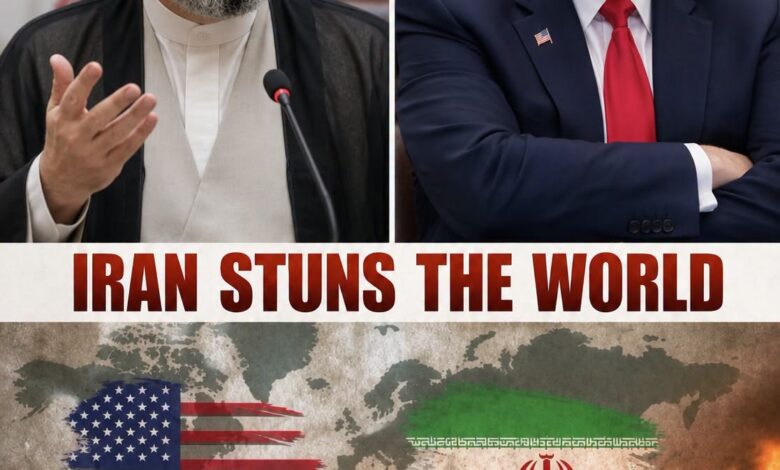
Behind closed doors, American and Iranian negotiators are slowly testing whether decades of hostility can be managed without exploding into open crisis. Each side arrives with deep scars and domestic pressure: Washington wary of being deceived again, Tehran fearful of appearing weak or compromised. The language is formal, the gestures restrained, but the subtext is raw—fear, pride, and a grudging recognition that perpetual brinkmanship is unsustainable.
What emerges from these exchanges may not resemble a grand peace or a sweeping accord. Instead, it could be a fragile web of understandings: limits on escalation, tacit red lines, economic breathing space in exchange for restraint. Regional actors and global institutions can help lock in these gains, turning temporary pauses into lasting mechanisms. The future of regional stability may hinge not on bold declarations, but on whether both sides keep choosing—quietly, imperfectly—to stay at the table.
Any workable understanding would have to begin with restraint. The source describes officials on both sides testing what is possible without presenting the talks as a dramatic reconciliation. That cautious approach reflects the depth of mistrust. Washington wants evidence that commitments will be honored, while Tehran must avoid appearing to surrender under pressure. Even a small step therefore carries political costs at home.
The practical value of diplomacy lies in preventing miscalculation. When military forces, regional partners, and competing security interests operate close together, a single incident can expand faster than leaders intend. Clear red lines and dependable channels of communication can give both governments time to verify events before responding. Such arrangements may look modest, but they can reduce the chance that a misunderstanding becomes a wider conflict.
Economic questions are also part of the picture. The report points to the possibility of limited breathing space in exchange for measurable restraint. For an agreement to endure, each side would need to understand exactly what it is expected to do, how compliance will be assessed, and what follows if a commitment is broken. Vague promises would quickly collapse under the weight of existing suspicion.
Regional governments and international institutions could help by observing, mediating, and providing continuity when political leadership changes. Their involvement cannot remove the disagreement between the United States and Iran, but it can make a narrow arrangement easier to maintain. Regular meetings and documented procedures would turn a temporary pause into a process that can survive a new crisis.
The source therefore frames progress as a series of choices rather than one historic announcement. Neither government has to trust the other completely in order to recognize the cost of constant escalation. A durable outcome could begin with limited commitments, careful verification, and repeated decisions to remain in contact. If those habits take hold, the talks may create enough stability for harder questions to be addressed later. The immediate test is whether both sides can keep the channel open when domestic pressure makes walking away seem easier.
Measured progress would still be vulnerable to sudden events, inflammatory statements, or leadership changes. That is precisely why written procedures and direct communication matter: they give both governments a way to manage a crisis without abandoning every understanding reached before it.