The Truth Behind the Viral NASA 2026 Earth Claim
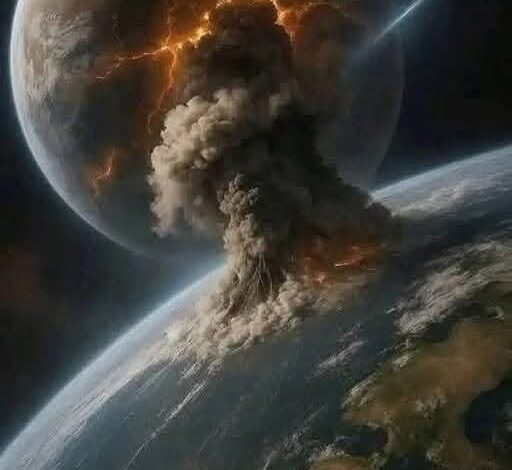
A viral claim spreading across social media has left many people wondering whether something extraordinary is about to happen to Earth. Posts carrying headlines such as “BREAKING NEWS: NASA confirms that in 2026, Earth will begin to…” have attracted millions of views, fueling speculation about everything from Earth’s gravity disappearing to the planet stopping its rotation.
However, there is no official statement from NASA confirming any of these claims.
According to publicly available information from NASA and other scientific organizations, there is no evidence that Earth will suddenly lose gravity, stop spinning, shift its orbit, or experience a global catastrophe in 2026. Experts say many of these viral posts are misleading or intentionally designed to generate clicks and engagement.
While scientists are not predicting a doomsday event, several real scientific developments are expected to remain important throughout 2026.
The Sun is still in an active phase of Solar Cycle 25. Strong solar storms may occasionally affect satellite communications, GPS signals, radio transmissions, and power infrastructure in some regions. Scientists continue to monitor space weather closely, but these events are not expected to threaten life on Earth.
Researchers expect climate change to remain one of the world’s biggest concerns in 2026. Rising global temperatures could contribute to more frequent heatwaves, droughts, floods, powerful storms, and wildfires in vulnerable regions. These are long-term environmental trends rather than sudden global disasters.
NASA continues to track thousands of near-Earth objects using advanced telescopes and planetary defense systems. As of now, scientists have not identified any asteroid expected to collide with Earth in 2026.
Sources: NASA, NOAA Space Weather Prediction Center, NASA Center for Near-Earth Object Studies (CNEOS).
As the story circulated, some versions shortened or exaggerated its message. Returning to the names, dates, and actions described in the source helps keep the article focused. It also prevents unrelated claims from replacing the event that readers originally wanted to understand.
The wider context behind The Truth Behind the Viral NASA 2026 Earth Claim matters because the most dramatic line is only one part of the account. The people, dates, and decisions surrounding the central moment explain why it drew attention and how the situation developed beyond the first reaction.
The opening detail provides the clearest starting point: A viral claim spreading across social media has left many people wondering whether something extraordinary is about to happen to Earth. Posts carrying headlines such as “BREAKING NEWS: NASA confirms that in 2026, Earth will… From there, the sequence is best understood by keeping the confirmed events together and avoiding assumptions that are not supported by the account.
Public reaction often grows quickly when a familiar name, an unexpected discovery, or an emotional turning point appears in a headline. Looking at the complete sequence makes it easier to distinguish the event itself from the speculation that can accumulate as a post is shared.
The lasting interest comes from the human response. People had to absorb new information, reconsider what they believed, and decide what to do next. Those choices give the account its meaning and explain why readers continued discussing it after the initial surprise.
Taken as a whole, the account is more than a single image or dramatic sentence. Its significance lies in the buildup, the moment that changed the situation, and the consequences that followed. Preserving that order keeps the focus on what actually happened and on the people most directly affected.