The South Surprise What to Do When a Copperhead Ends Your Turkey Hunt
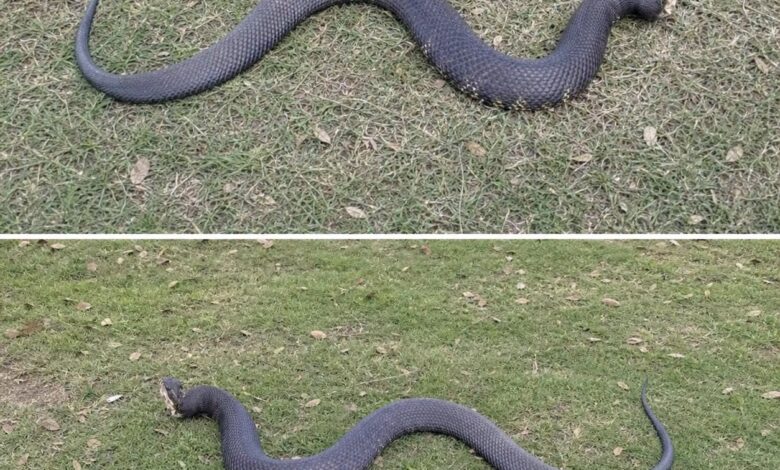
After a suspected copperhead bite, the priority is emergency medical care, not finishing the hunt. Move out of the snake’s striking distance, call emergency services, and keep as still and calm as possible while arranging help. Do not drive yourself: a snakebite can cause dizziness or fainting. Even a bite that initially seems minor needs urgent assessment; you cannot safely decide in the woods that no venom was delivered.
Do not approach, capture, or kill the snake. A photograph may help identification only if it can be taken from a safe distance without delaying care. Avoid cutting the wound, sucking out venom, applying ice, or using a tourniquet. The hunt can wait; getting medical help cannot.
CDC guidance emphasizes early emergency assessment because treatment may include antivenom and delay can increase injury. While help is being arranged, sit or lie down with the bitten area in a comfortable neutral position. Remove rings or other constricting items before swelling develops. If practical, gently wash the site and cover it with a clean, dry dressing. These measures support care; they do not neutralize venom.
The absence of obvious fang marks is not reassurance, and trying to judge a bite by pain alone is unsafe. Tell responders when and where the bite happened, which part of the body was affected, and what symptoms have appeared. Follow the dispatcher’s instructions about staying put or reaching a place where rescuers can find you. Do not turn a general article into a reason to attempt a long walk alone.
A remote hunting location adds a practical problem: explaining exactly where you are. A companion can help communicate the location and meet responders while the bitten person limits movement. If phone reception is poor, the plan for obtaining help should still prioritize professional advice and safe transport rather than improvising a treatment in the field. Nobody should go looking for the snake as part of that plan.
Before any future outing, it is worth discussing what the group would do if someone were injured. Knowing the access route, the nearest place to get a signal, and who has the location details can make an emergency less confusing. That preparation is useful for many outdoor injuries, not just snakebites. It also prevents the entire response from depending on the person who is hurt.
The central lesson is straightforward: calm action is not the same as waiting to see what happens. A suspected venomous bite needs urgent help even when the person is able to speak, walk, or describe it clearly. Protect the distance between yourself and the animal, communicate the situation, and let medical professionals decide what treatment is required. Stories about other people recovering quickly cannot predict the outcome of a new bite.
When sharing this advice with others, keep the emergency instructions attached to the story. A dramatic photograph or reassuring anecdote should not become the main message. The important information is what a reader needs to do next: seek help promptly, avoid risky attempts at treatment, and provide responders with a clear location and an accurate description of what happened.
CDC snakebite first aid · NIOSH guidance on venomous snake emergencies