Snake bi te dont panic do the following
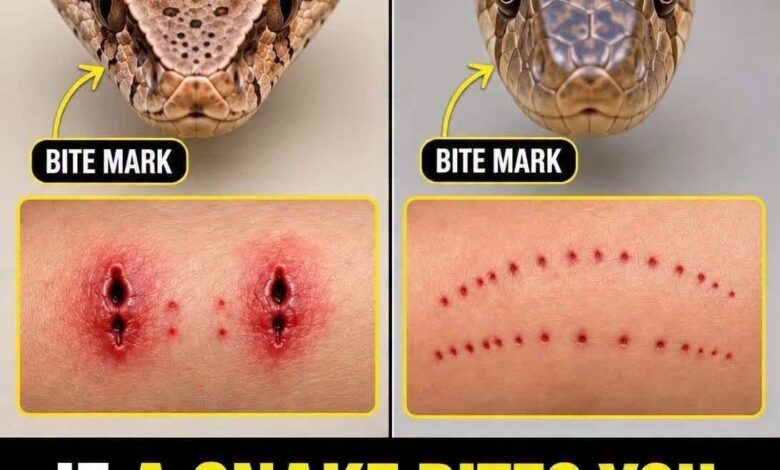
A snake bite can be a medical emergency, especially when venom is involved. The safest response is to remain calm and seek professional medical care immediately. Even when the snake cannot be identified or symptoms have not appeared, prompt evaluation is important because effects can develop later.
The first priority is to call emergency services or arrange immediate transportation to a medical facility. Keep the injured person as calm and still as possible, since unnecessary movement may contribute to venom spreading through the body. Do not attempt to walk long distances if help or transportation is available.
Remove rings, watches, bracelets, shoes, or tight clothing near the bite before significant swelling develops. If possible, gently wash the wound with soap and clean water, then cover it with a clean, dry dressing. Keep the bitten limb approximately level with the heart and avoid unnecessary movement.
If you can safely observe the snake, remember its color, markings, and general appearance. This information may help medical professionals determine appropriate treatment. However, never approach, capture, kill, or handle the snake. Trying to identify it at close range can result in another bite.
Several traditional remedies can cause serious harm and should be avoided. Do not cut the wound, suck out venom, apply ice, use a tourniquet, or immerse the bite in water. These methods do not provide reliable treatment and can cause additional tissue damage or complications.
Avoid alcohol and caffeine after a snake bite, and do not take aspirin or anti-inflammatory pain medicines unless medical professionals specifically advise you to do so. The appropriate treatment depends on the snake, the symptoms, and the patient’s condition. Medical teams can monitor the victim and provide specialized treatment when necessary.
Prevention is also important when spending time outdoors. Wear sturdy boots and protective clothing in areas where snakes may be present. Use a flashlight at night, avoid reaching into holes, rock crevices, woodpiles, or dense vegetation without checking first, and keep children away from snakes.
The most important message is simple: do not try to treat a snake bite yourself. Stay calm, minimize movement, avoid harmful remedies, and get medical help as quickly as possible. Prompt professional care offers the best chance of preventing serious complications and achieving a good outcome.
Do not use the bite-mark illustration to decide that a snake was harmless. Fang marks, swelling and other visible features are not a dependable substitute for medical assessment. A small mark or a delay in symptoms should not persuade someone to wait for the situation to become more serious. Describe what happened to the emergency dispatcher and follow their instructions.
Local guidance may differ according to the snakes found in the region and the treatments used there. Ask emergency services how to position and support the injured limb while help is coming. Do not delay transport in order to wash the wound, photograph the animal or try a home treatment. If the person becomes faint, confused or has difficulty breathing, tell the dispatcher immediately.
The CDC’s snake-bite guidance emphasizes prompt medical attention, avoiding further contact with the snake and keeping the person calm. Treatment decisions belong to trained clinicians. The aim of first aid is to reduce further harm while reaching that care, rather than to remove or neutralize venom yourself.