Heartbroken Royal Tragedy The Viral Prince Harry Confession Story Examined
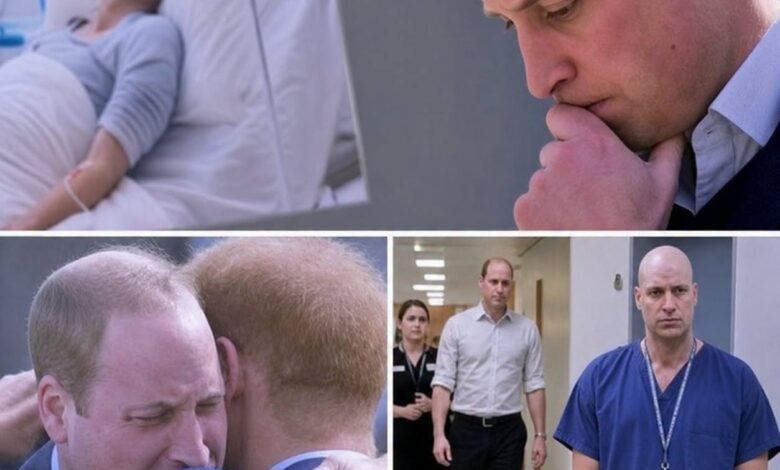
A sensational online story claimed that Prince Harry was overwhelmed by grief after a confession from King Charles that would change the monarchy forever. The article offered dramatic scenes involving Diana, William and Harry, but did not identify a public statement, interview, palace release or other verifiable source. It reads as imagined royal drama rather than established news.
The distinction is important because the British royal family attracts an enormous ecosystem of rumor. Familiar tensions can be rearranged into a new “bombshell” with little more than an emotional headline. Prince Harry has publicly discussed grief, family conflict and his mother’s death in interviews, documentaries and his memoir. Those real disclosures make invented private conversations seem plausible.
Princess Diana’s death in 1997 profoundly affected both sons. William was fifteen and Harry was twelve. They had to grieve under public observation while participating in rituals watched around the world. As adults, both have spoken in different ways about the enduring impact. Harry has emphasized the emotional cost of suppressing grief, while William has connected personal experience with mental-health advocacy.
King Charles’s relationship with Diana and the breakdown of their marriage are extensively documented. There is no need to create a secret confession to recognize that the period was painful for everyone involved. Public history contains affairs, separation, divorce and a media environment that magnified private suffering. Turning that complexity into a single fictional admission may feel satisfying, but it does not make the scene true.
Harry’s departure from full-time royal duties with Meghan, Duchess of Sussex, deepened public interest in family divisions. The couple moved to North America and described disputes over security, press treatment and institutional support. Harry’s comments about his father and brother have been unusually direct by royal standards. Yet disagreement does not verify every anonymous claim about what happens behind palace doors.
Viral royal stories often use several warning signs. They announce “heavy hearts” without saying who issued the announcement, promise a first comment instead of linking evidence and describe exact private emotions no reporter could independently observe. Images may come from unrelated events. A headline can be grammatically unfinished so readers must click before learning what supposedly occurred.
Responsible readers can look for a date, named speaker and direct quotation in context. Official statements are not infallible, but they at least establish what an institution publicly said. Reputable reporting should explain how information was obtained and distinguish confirmation from interpretation. If many outlets repeat a claim while all point back to one anonymous webpage, repetition has not created independent evidence.
The emotional themes in the story are real enough to discuss without presenting fiction as news. Families can carry grief across decades. An apology may validate pain without repairing every relationship. Brothers who experience the same loss may remember it differently and choose opposite ways of coping. Those observations help explain why royal family conflict fascinates readers.
Privacy also matters. Public figures can choose to share some experiences while keeping others private. The absence of disclosure does not authorize outsiders to invent a confession on their behalf. A story about reconciliation or regret should be labeled clearly as commentary or creative writing when it lacks factual support.
Prince Harry has endured genuine loss, and the monarchy faces real questions about family, duty and public accountability. Those facts are serious enough. No verified evidence in the linked article establishes the dramatic confession it describes. Readers should treat it as a fictionalized reflection on familiar tensions, not a breaking royal announcement.
Labeling the piece accurately does not forbid readers from engaging with its themes. It simply protects the boundary between interpretation and reporting. The royal family’s documented words can be debated vigorously without placing invented sentences in the mouths of living people.