Greenland Nuclear Rhetoric and the Need for Arctic Diplomacy
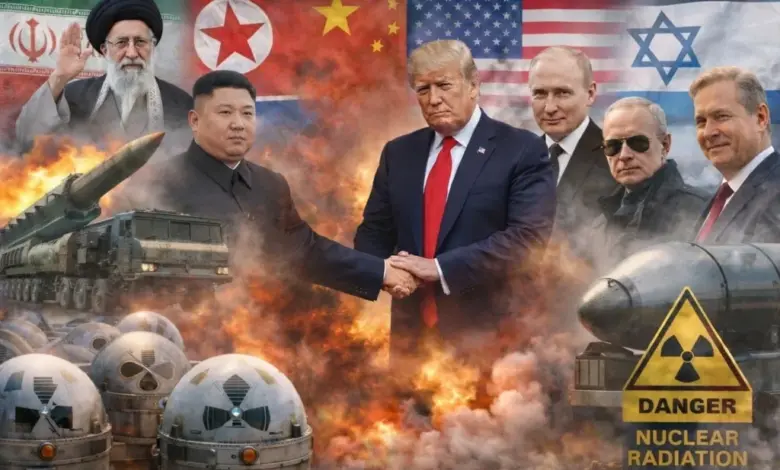
An online commentary connects alarmist Russian rhetoric with the debate over Greenland and American missile defense ambitions. Its concern is the possibility of strategic misunderstanding in the Arctic. The article supplies neither a complete statement nor evidence of an imminent confrontation, making context essential to interpreting its warning.
Greenland has become the unlikely stage for a drama that fuses climate change, nuclear doctrine, and volatile politics. Trump’s revived talk of U.S. control over the island collides with Denmark’s firm sovereignty and NATO’s need for unity. For Moscow, any hint of an expanded U.S. missile shield in the Arctic is not a bargaining chip but a potential threat to its nuclear deterrent, touching the rawest nerve in Russian security thinking.
Beneath the rhetoric lies a fragile balance: overlapping patrols, expanding bases, and early‑warning radars operating in a region where misread signals can turn routine maneuvers into perceived acts of aggression. The “Golden Dome” idea, however vague, crystallizes Russia’s fear of strategic encirclement and America’s desire for protection. Whether Greenland becomes a flashpoint or a managed fault line will depend on leaders choosing quiet negotiation over theatrical escalation in a part of the world where mistakes cannot easily be undone.
The argument in the source is about how defensive plans can be perceived differently by rival powers. A proposal described by one government as protection may be read by another as a change in the strategic balance. That difference in interpretation is why nuclear rhetoric is so consequential. The language used to signal resolve can also increase anxiety about what the other side intends.
The article links those concerns to Greenland and the Arctic, but does not provide the full text of the warning or a complete account of the proposal being criticized. Its most dramatic phrase therefore needs to be read as rhetoric attributed by the source, not a prediction that the world is about to end. A threat, a warning, and an imminent action are distinct claims.
The discussion also involves more than two powerful countries. Greenland and Denmark cannot be reduced to scenery in a confrontation between Washington and Moscow. Any account of the island’s future needs to acknowledge the people and institutions whose interests are directly involved. Treating territory only as a strategic location can obscure the political questions at the heart of the dispute.
The source’s references to patrols, radar, and missile defense point toward the challenge of interpreting military activity. Equipment can have a stated purpose and still generate uncertainty among others observing it. Diplomatic communication matters because it can clarify intentions, establish expectations, and reduce the chance that routine movements are interpreted as preparations for something else. It cannot eliminate every disagreement, but it can make disagreement less dangerous.
Public language has a different audience from private negotiation. A forceful statement may be designed to reassure supporters or warn opponents, while negotiators still need room to discuss limits and practical arrangements. If every dispute is described as an existential showdown, that room can become harder to preserve. The article’s contrast between theatrical escalation and quiet negotiation captures this tension.
The central issue is therefore how to manage competing security concerns without allowing the most alarming interpretation to become the only one. The account offers no timetable for an imminent confrontation. It instead illustrates why precision about proposals, sovereignty, and intentions is essential when a regional argument is connected to nuclear fears. Dramatic language may command attention, but careful diplomacy must deal with the details it leaves out.