Why a Slow Cooker Insert Can Break on a Stovetop
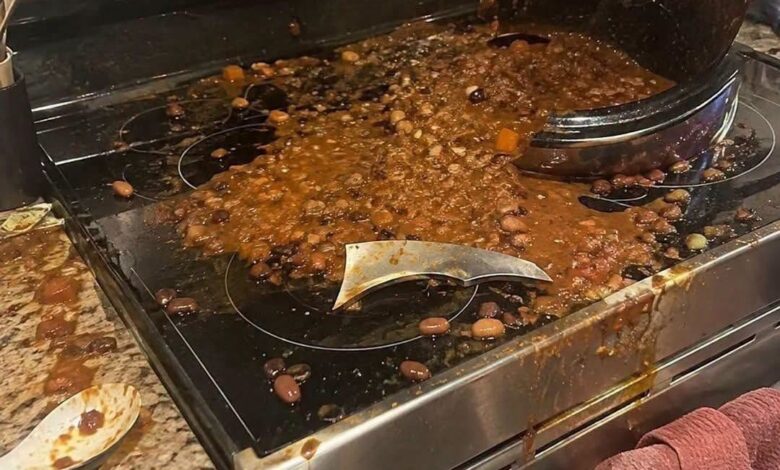
One shortcut can turn a comforting dinner into a kitchen hazard. If you’ve ever considered putting your slow cooker’s removable crock on a burner to brown meat, stop before you turn on the heat. That sturdy-looking pot may hide a dangerous limitation, and ignoring it could leave you facing shattered cookware, spilled food, and a potentially painful kitchen
Slow cookers make dinner easier, but traditional ceramic or stoneware inserts are built for gentle, controlled heating—not concentrated stovetop heat. A burner can cause thermal shock, cracking the crock and releasing hot contents that could cause burns. Never place the entire electrical appliance on a burner. For a removable insert, stovetop use is safe only when the manufacturer explicitly approves it; a sturdy appearance is no guarantee. Oven compatibility also varies, so check your model’s instructions before trying another cooking method.
When a recipe calls for browning meat or sautéing onions, reach for a regular skillet, then transfer the ingredients into the slow cooker. If you accidentally heat a crock on the stove, switch off the burner and let it cool naturally. Never add cold water to hot ceramic. Once cool, inspect for damage and replace a cracked crock. Those extra precautions can protect both your dinner and your family.
The insert and the heating base are designed to work together. In a conventional slow cooker, the base warms the crock around its sides over time. On a burner, the hottest part of the insert may be the small area in contact with the stove. That difference in heating is one reason that a piece of cookware can be suitable for a slow cooker but unsuitable for direct stovetop use.
Some appliances are sold with inserts explicitly designed for searing on the stove. The relevant instruction is the one for the particular model. The fact that an insert is removable or looks like a heavy casserole dish does not establish that it can take direct heat. A label or manual can distinguish ordinary stoneware from a stovetop-safe insert. If the manufacturer does not identify the insert as stovetop-safe, the simpler option is to brown the meat in a separate pan.
This also helps separate two kitchen steps that can otherwise look interchangeable. Browning depends on relatively high heat and contact between the food and a cooking surface. Slow cooking depends on sustained lower heat. A skillet suited to the stove can handle the first step. Once the ingredients are ready, they can go into the insert and heating base for the second step, following the appliance instructions.
The sound in the Facebook account and the fact that the bottom separated are consistent with a break, but the story does not provide the model of the appliance or establish what caused the failure. A visible crack, prior damage and the kind of heat applied are all relevant details. The manufacturer's guidance matters more than a guess about a photograph. If an insert has cracked or broken, discontinue use and check the manual for replacement instructions.
A convenient cooking shortcut is only useful when the equipment supports it. Checking the model before placing a removable crock on a burner avoids relying on appearance alone.