What Can Happen After Sleeping With Someone Understanding Pubic Lice and Intimate Health
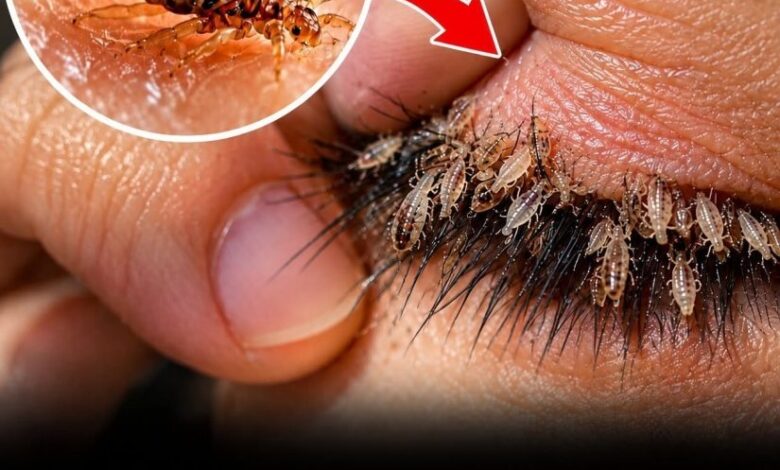
Pubic lice, also known as crab lice, are tiny parasites that live on coarse body hair and feed on small amounts of blood. They most commonly affect the genital area but can also appear in the armpits, chest, beard, eyebrows, or eyelashes.
They usually spread through close physical contact, particularly sexual contact, when lice move from one person’s body hair to another’s. Less commonly, they may spread through recently used towels, clothing, or bedding. Anyone can become infested, regardless of personal hygiene.
Pubic lice are different from head lice, fleas, ticks, and mites, so correct identification is important. A photograph alone cannot confirm an infestation, and other skin conditions or debris may resemble lice or their eggs.
The eggs, known as nits, attach firmly to individual hairs and may look like tiny pale or yellowish specks. They can be difficult to notice without good lighting and close inspection. Some people experience itching and irritation, while others have few noticeable symptoms.
An infestation does not automatically indicate infidelity, poor hygiene, or anything about a person’s sexual history. It also cannot reliably reveal when the lice were acquired or who transmitted them.
If you suspect pubic lice, seek an examination from a healthcare professional or sexual-health service rather than relying only on online photographs. They can confirm the cause and recommend appropriate treatment.
Pubic lice are treatable, and there is no reason to feel ashamed about having them. Prompt assessment, correct treatment, and communication with relevant intimate partners can help resolve the infestation and reduce the risk of spreading it to others.
Itching is a reason to seek assessment, but it is not enough on its own to diagnose lice. Skin irritation has many possible causes, and an enlarged photograph cannot reliably establish what is happening on another person’s skin. A clinician can look for living lice or attached eggs and help distinguish an infestation from other conditions. This is particularly important when symptoms involve the eyes or eyelashes.
Head lice and pubic lice are different types of lice. A product intended for one body area should not automatically be used on another, especially close to the eyes. Pubic lice affecting the eyelashes require separate clinical guidance. Ordinary lice lotions should not be applied to the eyes, and someone with irritated eyelids should ask a qualified healthcare professional about an appropriate examination and treatment.
Shaving does not reliably remove an infestation. Treatment depends on using an appropriate medicine correctly and dealing with relevant clothing or bedding as directed. Applying a larger quantity or repeating a product more often than instructed does not make it a better choice. If the first treatment does not work, a healthcare professional can reassess the diagnosis and advise on the next step.
Private, practical communication can make the situation easier to address. The purpose is to arrange assessment and prevent reinfestation, not to assign blame. Anyone who is pregnant, breastfeeding, treating a child, or unsure which product is appropriate should obtain individual advice. With the right diagnosis and a coordinated treatment plan, the problem can be managed without relying on frightening captions or assumptions about a person’s character.