Emirates Flight EK521 Evacuation and the Firefighter Lost in the Response
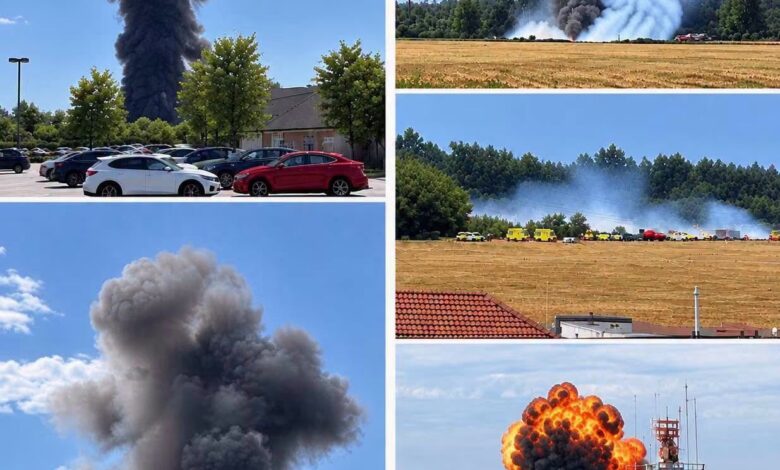
Emirates Flight EK521 became the subject of international attention after the passenger aircraft was involved in a serious emergency landing at Dubai International Airport. The aircraft had been traveling from Thiruvananthapuram, India, when it encountered difficulties during its approach to Dubai. Despite the severity of the incident, all passengers and crew members on board were safely evacuated, making the event a remarkable example of how emergency procedures can help protect lives during an aviation emergency.
The aircraft arrived at Dubai International Airport shortly after midday. According to reports, the pilot had informed those on board about a problem involving the landing gear before the aircraft reached the runway. When the aircraft came down, emergency procedures were immediately activated. Cabin crew members opened the emergency exits, allowing passengers to leave the aircraft quickly and move away from the area under the direction of airport and emergency personnel.
There were 282 passengers and 18 crew members aboard the flight. Emirates confirmed that everyone on the aircraft was accounted for following the emergency. The successful evacuation was particularly significant because the aircraft required an immediate response from airport rescue teams. Emergency crews arrived at the scene and worked to secure the area while assisting passengers and crew members.
Several passengers later described the tense moments surrounding the landing. One passenger, Iype Vallikadan, told the Associated Press that the pilot had announced a landing-gear problem before the aircraft came down. Such communication can be important during an emergency because it gives passengers and crew members an opportunity to prepare for an unusual landing and follow safety instructions.
Although everyone aboard the aircraft survived, the emergency response resulted in the death of a firefighter who was assisting at the scene. His death became one of the most significant and tragic aspects of the incident. Emergency responders routinely face difficult conditions when responding to aircraft emergencies, and the loss highlighted the risks involved in protecting passengers and maintaining airport safety.
The evacuation described in the report illustrates why instructions during an aircraft emergency need to be direct and readily understood. Passengers may be frightened, uncertain about the condition of the aircraft, or unsure which exit to use. Following the directions of the crew helps turn a group of individual reactions into an organized movement away from danger. The account's emphasis on the safe evacuation reflects the importance of that coordinated response.
Once people leave an aircraft, moving away from the immediate area remains part of the emergency process. Airport personnel and rescue teams may need access to the aircraft and space to carry out their work. The passengers' experience and the responders' responsibilities are different parts of the same event, and both deserve attention when its outcome is described.
The firefighter's death also prevents the successful evacuation from being treated as an outcome without loss. Everyone aboard was accounted for, according to the report, but a responder died while assisting at the scene. Remembering that distinction gives a fuller account of the emergency. It recognizes the passengers and crew who survived while also acknowledging the person whose work formed part of the response and whose life was lost.