COVID 19 Vaccines and Health What Science Reveals About Possible Side Effects and Long Term Risks
When COVID-19 vaccines first became available, millions of people around the world received them in an effort to reduce the impact of a disease that had placed enormous pressure on healthcare systems.
For many people, vaccination was a routine medical experience. Others noticed temporary symptoms such as soreness in the arm, fatigue, headaches, muscle pain, or a mild fever.
These reactions raised questions that continue to interest the public: What happens inside the body after vaccination? Why do some people feel unwell afterward? And how can anyone distinguish an expected immune response from a potentially serious medical problem?
Understanding these questions requires looking at how vaccines work.
How Vaccines Interact With the Immune System
A vaccine is designed to prepare the immune system to recognize a particular infectious threat.
COVID-19 vaccines use different technologies, but their overall purpose is similar: they introduce information or components that help the immune system recognize the SARS-CoV-2 virus.
For example, messenger RNA vaccines instruct certain cells to produce a harmless version of the virus's spike protein for a limited period.
The immune system recognizes this protein as foreign and begins developing an immune response.
This process involves several components, including antibodies and immune cells that help recognize and respond to future exposure.
The vaccine does not contain a complete, live SARS-CoV-2 virus capable of causing COVID-19 infection.
Instead, it provides the immune system with information that can help it respond more effectively if the person encounters the virus later.
Other vaccine technologies use different methods to stimulate immune recognition.
Although the mechanisms vary, the objective is to help reduce the risk of severe illness.
Why Some People Feel Unwell After Vaccination
The immune response can produce temporary symptoms.
Common reactions include:
Pain or tenderness at the injection site.
Fatigue and general tiredness.
Headaches.
Muscle or joint discomfort.
Chills.
Mild fever.
Temporary swelling or redness around the injection site.
The World Health Organization explains that these reactions are generally mild to moderate and usually disappear within a few days.
Some people experience several symptoms, while others notice almost nothing.
The intensity of a reaction does not necessarily indicate how much protection someone has developed.
For example, a person who experiences no fever after vaccination can still develop an immune response.
Likewise, someone who feels tired for a day or two has not necessarily experienced a dangerous reaction.
Age, previous exposure to the virus, individual immune characteristics, vaccine type, and other factors may influence how someone feels after receiving a dose.
Understanding the Difference Between an Adverse Event and a Confirmed Vaccine Reaction
One of the most important distinctions in vaccine safety is the difference between an event that happens after vaccination and an event caused by vaccination.
Medical professionals use the term adverse event following immunization to describe a health problem that occurs after a person receives a vaccine.
However, the timing alone does not establish causation.
Imagine someone receives a COVID-19 vaccine and develops a headache the following morning.
The headache may be related to the immune response, but it could also be caused by dehydration, lack of sleep, stress, an unrelated infection, or another condition.
The same principle applies to more serious medical diagnoses.
If someone develops a neurological disorder, heart condition, or other illness weeks or months after vaccination, investigators must examine whether the condition occurred more frequently than expected and whether there is convincing evidence of a biological relationship.
This is why medical researchers compare health outcomes among different populations, examine medical records, investigate timing, and evaluate alternative explanations.
A photograph, personal story, or isolated medical record cannot establish that a vaccine caused a particular disease.
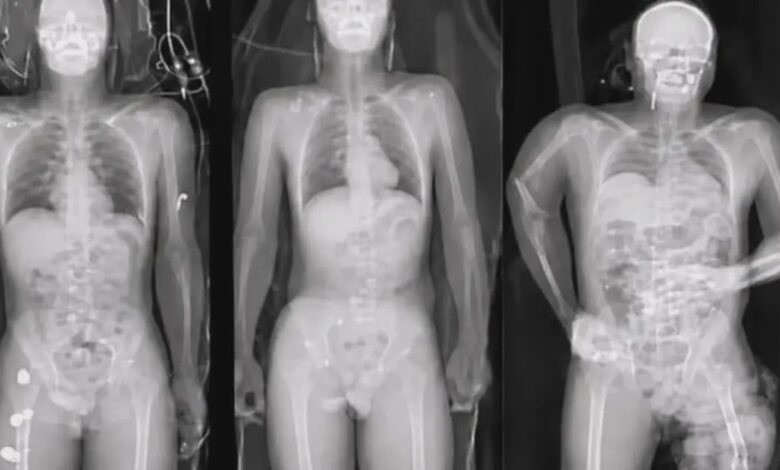
The X-ray image accompanying this topic illustrates medical imaging, but it does not identify the people shown, establish their vaccination histories, or demonstrate that vaccination caused any visible abnormality.
Why Vaccine Safety Monitoring Continues
Safety evaluation does not end when a vaccine receives regulatory authorization.
The CDC, FDA, WHO, and other health organizations continue to examine reports and research findings to identify potential safety signals.
These systems use different approaches, including passive reporting, electronic healthcare records, medical studies, and active surveillance.
The purpose is to identify unusual patterns that might require additional investigation.
This continuing monitoring is particularly important because very rare complications may not become apparent during relatively small clinical trials.
The central lesson is that vaccine safety is evaluated through accumulating evidence, not through headlines or assumptions.
Although most COVID-19 vaccine reactions are temporary, medical research has identified several rare complications that deserve attention.
Acknowledging these risks is an important part of transparent healthcare communication.
The purpose of vaccine safety research is not to suggest that every person will experience a complication. Instead, researchers aim to identify which reactions are possible, how frequently they occur, which groups may be more vulnerable, and what medical care is appropriate.
Myocarditis and Pericarditis: Understanding Heart Inflammation
One of the most closely studied complications following certain COVID-19 vaccines is myocarditis, which means inflammation of the heart muscle.
Pericarditis refers to inflammation of the thin tissue surrounding the heart.
Both conditions can cause chest discomfort and other symptoms that require medical evaluation.
Reports of myocarditis and pericarditis have been associated with mRNA COVID-19 vaccines, particularly among adolescent and young adult males.
The risk has been observed most frequently within approximately one week after a second dose in certain groups, although cases have also occurred following other doses and in other populations.
The US Food and Drug Administration updated the prescribing information for Pfizer-BioNTech and Moderna mRNA vaccines in June 2025 to include additional information about myocarditis and pericarditis.
This demonstrates that vaccine safety monitoring continues to examine evidence even years after the initial vaccination campaigns.
Symptoms that deserve attention include:
Chest pain or pressure.
Shortness of breath.
A rapid or irregular heartbeat.
Unusual discomfort that becomes worse during physical activity.
Anyone experiencing these symptoms should seek medical assessment rather than assuming that the cause is harmless.
Diagnosis may involve an electrocardiogram, blood tests measuring cardiac injury markers, echocardiography, or cardiac magnetic resonance imaging.
The severity of myocarditis varies.
Many reported patients improve with appropriate medical care, although some cases require hospitalization and follow-up.
Importantly, inflammation of the heart can also occur after viral infections, including COVID-19 itself.
Therefore, doctors must consider the complete clinical picture before determining the likely cause.
Severe Allergic Reactions
Another rare but recognized adverse reaction is anaphylaxis.
Anaphylaxis is a severe allergic reaction that can develop rapidly and become life-threatening without treatment.
Warning signs may include:
Swelling of the lips, tongue, or throat.
Difficulty breathing.
Widespread hives.
Dizziness or fainting.
A sudden drop in blood pressure.
A rapid heartbeat.
Vaccination providers generally observe recipients for a short period after administration because serious allergic reactions, although uncommon, can occur soon afterward.
Anaphylaxis requires immediate emergency treatment, usually involving epinephrine.
People who have previously experienced a severe allergic reaction to a vaccine component should discuss their medical history with a qualified healthcare professional before receiving another dose.
Blood Clotting Disorders
Another condition investigated during COVID-19 vaccine safety monitoring is thrombosis with thrombocytopenia syndrome, sometimes called TTS.
This condition involves unusual blood clots accompanied by low platelet levels.
It was associated with certain adenovirus-vector COVID-19 vaccines, including vaccines developed by AstraZeneca and Johnson & Johnson.
It is important not to confuse this condition with every blood clot occurring after vaccination.
Blood clots can develop for numerous reasons, including surgery, prolonged immobility, inherited conditions, cancer, pregnancy, and other medical factors.
TTS is a specific clinical syndrome requiring medical investigation.
Symptoms can depend on where the clot develops.
Severe or persistent headaches, unusual abdominal pain, shortness of breath, leg swelling, or neurological symptoms require prompt assessment.
The timing, blood test results, imaging findings, and vaccination history all contribute to diagnosis.
Guillain-Barré Syndrome and Neurological Concerns
Guillain-Barré syndrome is an uncommon neurological condition in which the immune system attacks peripheral nerves.
It can cause tingling, weakness, and sometimes progressive paralysis.
Some cases have been associated with particular adenovirus-vector vaccines, although the risk and evidence differ by vaccine product.
The condition can also occur following infections, including certain gastrointestinal and respiratory illnesses.
Early recognition is important because weakness can progress and may affect the muscles involved in breathing.
People experiencing rapidly developing weakness, difficulty walking, or unusual spreading numbness should seek urgent medical care.
Why These Conditions Should Not Be Ignored or Exaggerated
Recognizing a genuine adverse reaction does not mean that every illness appearing after vaccination was caused by a vaccine.
Medical evidence must establish whether a relationship exists.
The distinction matters because exaggerating risks can create unnecessary fear, while dismissing genuine complications can prevent people from receiving appropriate care.
A responsible discussion must acknowledge both realities.
Questions about long-term health effects remain important because COVID-19 vaccines have been administered to very large populations.
Some people worry that a vaccine might produce symptoms that appear months or years later.
Others wonder whether unexplained fatigue, neurological problems, joint discomfort, or changes in general health could be connected to an earlier vaccination.
These questions deserve serious consideration, but they must be examined through reliable medical evidence.
Understanding the Difference Between Short-Term and Long-Term Reactions
Most commonly reported vaccine reactions occur relatively soon after administration.
The World Health Organization states that typical reactions generally resolve within a few days.
Serious adverse reactions are considerably less common.
However, certain diagnosed complications may require longer medical follow-up.
For example, a person who develops myocarditis after vaccination may need continued monitoring even after the initial inflammation improves.
This does not mean that every vaccinated person should expect delayed heart problems.
It means that a confirmed medical complication should receive appropriate follow-up.
What About Persistent Fatigue?
Fatigue is one of the most frequently discussed symptoms in conversations about both COVID-19 infection and vaccination.
Temporary tiredness after vaccination is a recognized reaction.
Persistent fatigue, however, can have many possible explanations.
These include:
Anemia.
Thyroid disorders.
Sleep disorders.
Depression and anxiety.
Chronic infections.
Nutritional deficiencies.
Heart or lung conditions.
Long COVID.
Some people have also reported prolonged symptoms following vaccination, and researchers continue investigating these experiences.
However, the existence of reports does not establish that vaccination caused every reported symptom.
A proper medical assessment should examine when the symptoms started, how they developed, what other illnesses occurred, and whether objective findings support a particular diagnosis.
Long COVID Is Not the Same as a Vaccine Adverse Reaction
An important source of confusion is the similarity between some symptoms reported after vaccination and those experienced by people with Long COVID.
Long COVID refers to a range of health problems that continue or develop after an acute SARS-CoV-2 infection.
Symptoms may include fatigue, difficulty concentrating, shortness of breath, sleep disturbances, changes in smell or taste, and exercise intolerance.
Some symptoms can last for months or longer.
People sometimes assume that because a symptom appeared after vaccination, the vaccine must have caused it.
However, someone who has been vaccinated may also become infected with SARS-CoV-2.
The infection itself can produce complications that are difficult to distinguish from other health conditions.
Researchers therefore need carefully designed studies to separate the possible effects of infection, vaccination, existing medical conditions, and unrelated illnesses.
What Does Current Research Say About Delayed Effects?
Medical researchers continue studying long-term safety through population databases, clinical follow-up, and international surveillance systems.
The CDC and FDA use multiple monitoring systems to identify possible safety signals.
These include the Vaccine Adverse Event Reporting System, the Vaccine Safety Datalink, and other surveillance programs.
A safety signal does not automatically mean that a vaccine caused a condition.
Instead, it indicates that a pattern deserves further investigation.
Researchers then examine whether the observed rate is higher than the expected background rate and whether other explanations could account for the findings.
This process helps prevent misleading conclusions based on isolated reports.
Why Individual Medical Histories Matter
Two people can receive the same vaccine and have very different health experiences.
Age, existing medical conditions, previous infections, medications, immune function, and family history may influence medical outcomes.
Someone with an underlying heart condition, for example, may require a different evaluation from a healthy young adult.
Likewise, people with a history of severe allergic reactions may need special precautions.
This is why broad statements claiming that every vaccinated person will experience the same health effects are scientifically unreliable.
The most responsible approach is to evaluate each person's symptoms and medical history individually.
When Should Someone Seek Medical Attention?
Persistent or unexplained symptoms should not be ignored, regardless of whether they began after vaccination.
Medical attention is particularly important for chest pain, difficulty breathing, fainting, sudden weakness, severe headaches, or new neurological symptoms.
Sudden facial drooping, difficulty speaking, or weakness on one side of the body requires emergency assessment.
People should also seek medical advice when fatigue, palpitations, or other symptoms interfere with normal daily activities.
The objective is to identify the actual medical condition rather than immediately attributing every symptom to vaccination.
When someone develops a medical problem after receiving a vaccine, the first question is often whether the vaccine caused it.
Answering this question requires more than examining the timing of symptoms.
It requires epidemiology, clinical evaluation, laboratory evidence, and careful comparison between populations.
The Importance of Medical Surveillance
Before a vaccine becomes widely available, researchers conduct clinical trials to evaluate safety and effectiveness.
However, clinical trials involve a limited number of participants compared with the millions of people who may eventually receive a vaccine.
Some rare complications may therefore become apparent only after widespread use.
For this reason, public health organizations maintain surveillance systems that collect information about possible adverse events.
In the United States, the CDC and FDA operate several systems designed to monitor vaccine safety.
One of the best-known is VAERS.
VAERS allows healthcare professionals, vaccine manufacturers, and members of the public to report health problems occurring after vaccination.
The system is useful for identifying potential patterns.
However, reports alone cannot establish causation.
Some reports may contain incomplete information, duplicate entries, or conditions that would have occurred even without vaccination.
For example, if an older adult experiences a heart attack several days after receiving a vaccine, the event deserves medical attention and may be reported.
But investigators must examine the person's medical history, risk factors, and expected background rates before determining whether vaccination played a role.
How Researchers Identify a Genuine Safety Signal
Scientists use several methods to evaluate whether an adverse event is associated with a vaccine.
First, they examine the timing of the event.
Some immune-related reactions occur within a relatively predictable period after exposure.
Second, they compare the frequency of the condition among vaccinated and unvaccinated populations or between different periods.
Third, they investigate whether the proposed biological mechanism is plausible.
Fourth, they examine whether independent research groups have identified similar patterns.
Finally, they consider alternative explanations.
This process helps distinguish genuine safety concerns from coincidences.
Why X-Ray Images Cannot Prove Vaccine Damage
The image accompanying this article contains several X-ray views of human bodies.
Although medical imaging can reveal important abnormalities, an X-ray alone cannot establish why those abnormalities developed.
To interpret an image properly, doctors need clinical information.
They must know the patient's symptoms, medical history, examination findings, and the reason the imaging study was performed.
They may also need laboratory testing or additional imaging.
For example, an X-ray showing an abnormality in the chest does not automatically identify an infection, a chronic disease, or a vaccine-related complication.
The same principle applies to images circulating on social media.
Without reliable documentation, it is impossible to determine who the patients are, what conditions they have, or whether vaccination is relevant.
Using an unexplained medical image as proof of vaccine injury can therefore be misleading.
The Importance of Comparing Risks
When evaluating a vaccine, scientists consider both possible adverse effects and the health risks associated with the disease it is intended to prevent.
COVID-19 can cause pneumonia, respiratory failure, blood-clotting complications, cardiovascular problems, and prolonged symptoms.
The risk of severe illness is not the same for everyone.
Older adults and people with certain underlying conditions generally face greater risks than healthy younger individuals.
Vaccination can reduce the risk of severe outcomes, although protection varies according to age, immune status, vaccine formulation, previous infection, and time since the last dose.
This is why public health recommendations may change as new evidence becomes available.
Why Independent Research Matters
Medical evidence becomes more reliable when different research groups reach similar conclusions using different populations and methods.
A single study can have limitations.
It may involve a relatively small sample, incomplete records, or factors that are difficult to control.
Larger studies and systematic reviews help researchers understand whether an observation is consistent across different settings.
Scientific recommendations should therefore reflect the totality of evidence rather than one dramatic headline or isolated report.
Transparency Builds Public Trust
People deserve clear information about both the benefits and risks of medical interventions.
If a rare complication has been established, it should be explained honestly.
If a suspected relationship remains uncertain, that uncertainty should also be communicated.
Public trust is strengthened when health organizations acknowledge limitations, update recommendations, and provide understandable information.
The goal of safety monitoring is not to claim that medical products have zero risk.
It is to identify risks, reduce preventable harm, and help people make informed decisions.
For people who have already received one or more COVID-19 vaccinations, alarming online headlines can create unnecessary anxiety.
Some may begin wondering whether every headache, episode of fatigue, or unexplained illness is connected to a previous dose.
The first thing to understand is that having received a vaccine does not mean someone is destined to develop a serious health problem.
Most people do not experience serious vaccine-related complications.
Nevertheless, understanding warning signs and maintaining normal preventive healthcare are sensible steps.
1. Do Not Ignore Persistent or Unusual Symptoms
People should pay attention to symptoms that are severe, persistent, or significantly different from their usual health experiences.
Chest pain, unexplained shortness of breath, fainting, or unusual heart palpitations deserve medical assessment.
Sudden weakness, difficulty speaking, severe headaches, or new neurological problems may require emergency attention.
These symptoms can have many causes, and timely evaluation is more important than guessing what triggered them.
2. Keep a Record of Important Medical Information
People who experience a suspected reaction can record:
The date of vaccination.
The vaccine product, if known.
When symptoms began.
How long symptoms lasted.
Other medications being taken.
Previous medical conditions.
Any treatment received.
This information can help healthcare professionals evaluate possible relationships and determine whether additional testing is necessary.
It may also help public health authorities investigate suspected adverse events.
3. Discuss Previous Reactions Before Receiving Another Dose
People who have experienced a serious reaction after a previous COVID-19 vaccine should discuss it with a qualified healthcare professional.
The appropriate decision depends on the nature of the reaction, the vaccine involved, available alternatives, and the individual's risk of severe COVID-19.
A severe allergic reaction to a vaccine component, for example, requires special consideration.
People should not make decisions based solely on social media discussions or advice from individuals who do not know their medical history.
4. Understand That Recommendations Can Change
COVID-19 vaccine recommendations have evolved as new evidence has become available.
Different age groups and medical populations may have different recommendations.
Older adults, people with weakened immune systems, and individuals with certain chronic conditions may face greater risks from severe COVID-19.
The appropriate vaccination schedule should therefore be based on current national guidance and individual medical circumstances.
People should consult their healthcare providers or relevant public health authorities for the recommendations that apply to them.
5. Continue Ordinary Preventive Healthcare
Vaccination is only one part of maintaining good health.
People should continue attending recommended medical appointments, managing chronic conditions, maintaining physical activity, eating a balanced diet, and seeking care when symptoms arise.
Routine health assessments can help identify conditions that might otherwise remain unnoticed.
For people who have concerns about their heart, blood pressure, respiratory health, or neurological function, a healthcare professional can recommend appropriate examinations.
There is no universal medical test that can determine whether every health problem a person experiences was caused by a vaccine.
Testing should be guided by symptoms and clinical findings.
6. Be Careful With Sensational Online Claims
Medical photographs, X-ray images, and personal stories can be emotionally powerful.
However, they rarely provide enough information to establish a diagnosis or determine causation.
Before sharing a claim about vaccine injuries, readers should ask several questions:
Who is the original patient?
Is there a verified medical report?
Was the person's vaccination history confirmed?
Has a qualified medical professional evaluated the proposed connection?
Do independent scientific studies support the claim?
If these questions cannot be answered, the claim should not be presented as established medical fact.
The Final Verdict: Awareness Is Better Than Fear
COVID-19 vaccines have undergone extensive safety monitoring, and scientific research has identified both common temporary reactions and several rare but genuine complications.
Myocarditis and pericarditis have been associated with certain mRNA vaccines. Severe allergic reactions are also recognized, while thrombosis with thrombocytopenia syndrome and Guillain-Barré syndrome have been associated with particular adenovirus-vector vaccines.
These risks deserve transparent discussion.
At the same time, the existence of rare complications does not prove that vaccination causes every illness appearing afterward.
The X-ray image in the original headline cannot establish a connection between vaccination and the medical conditions shown.
For readers, the most useful response is to remain informed, recognize warning signs, seek professional medical advice when necessary, and rely on evidence from reputable health organizations.
Medical decisions should never be driven by fear alone.
Understanding the benefits, limitations, and potential risks of vaccination allows individuals to have more productive conversations with their doctors and make decisions based on their own health circumstances.