Gaston County Mourns the Death of Denny Hamlins Father
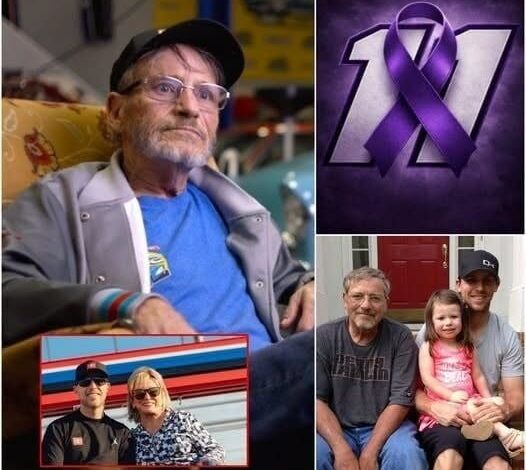
The Gaston County community is mourning following reports that the father of NASCAR star Denny Hamlin has passed away. The news has prompted an outpouring of sympathy from fans, local residents, and members of the motorsports world who recognize the important role family plays behind the scenes of professional sports. While details surrounding the passing have been kept private, the loss has been described as deeply felt by those close to the Hamlin family.
Denny Hamlin has often spoken about the influence his parents had on his journey to the highest level of stock car racing. From long nights at local tracks to the early sacrifices required to pursue a racing career, his father was known to be a steady source of encouragement and guidance. Many credit that support system as a key factor in Hamlin’s rise from a young driver in North Carolina to one of NASCAR’s most recognized competitors.
In Gaston County, where motorsports culture runs deep, the news has resonated strongly. Community members familiar with the Hamlin family have shared kind words, highlighting the family’s long-standing ties to the area and their reputation for humility and dedication. Local leaders and fans alike have emphasized the importance of respecting the family’s privacy during this difficult time, while still acknowledging the impact of the loss.
As tributes continue to surface, the focus remains on honoring a life remembered for commitment to family and quiet strength. For Denny Hamlin, the coming days are expected to be a period of reflection away from the spotlight that usually surrounds his career. Supporters across the racing world have expressed their condolences, reminding everyone that beyond trophies and championships, moments like these underscore the human side of professional sports.
The support described in the report belongs to a part of professional sport that spectators do not always see. A driver's name appears on the car and in the results, but a career develops over years of ordinary commitments. Family encouragement, time spent at local tracks, and the willingness to keep helping during uncertain periods can be as significant to that journey as its most visible achievements.
The article remembers Hamlin's father through that family role. Its focus is the steady encouragement behind the racing career, rather than a detailed account of the circumstances of his death. Those circumstances are not provided, and the family's privacy remains a clear part of the report. Condolences can acknowledge the loss without trying to answer questions that the account leaves open.
For fans, news of a family bereavement can briefly change the way a familiar public figure is seen. The competitor associated with trophies and race weekends is also a son facing a personal loss. The two identities coexist, even though only one usually receives public attention. Messages of sympathy recognize that human connection beyond the sport.
The community response described here also reflects the importance of remembering the person who offered support, rather than measuring his life only through a famous relative. The account highlights dedication, humility, and family ties. Those are the qualities around which its tributes gather, allowing the story to remain centered on remembrance and respect.