Iran Uses Cluster Munitions as Direct Conflict With Israel Escalates
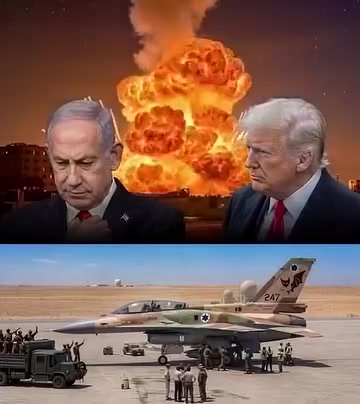
Reports indicate that Tehran has employed cluster munition warheads in attacks targeting areas including Tel Aviv, drawing widespread international concern. These weapons, which disperse multiple submunitions over wide areas, are criticized for their potential to harm civilians indiscriminately and leave hazardous unexploded ordnance.
Iranian officials have described the strikes as retaliation for the assassination of a senior security official, which they attribute to Israel. However, the frequency and nature of the assaults point to a strategic evolution from indirect proxy engagements to more direct confrontations. Israel’s Iron Dome and Arrow-3 defense systems have intercepted the majority of incoming projectiles, though analysts note increasing strain on these capabilities due to the volume and tactics employed.
The fighting has extended well beyond the Israeli-Iranian theater. In early 2026, Iranian forces and aligned groups launched attacks on U. S.
military sites and partner installations across the Gulf, including locations in Kuwait, Bahrain, the United Arab Emirates, and Saudi Arabia. This has pulled the United States more directly into the fray, leading to joint U. S.
-Israeli operations against Iranian military and suspected nuclear-related targets.
Energy markets have shown volatility amid concerns over potential disruptions to oil production and shipping through the Strait of Hormuz. Diplomatic initiatives to curb the violence have faced setbacks as both sides signal preparedness for further actions.
As alliances solidify and the conflict risks drawing in additional actors, the international community confronts the prospect of a wider regional war. Observers warn of severe humanitarian, economic, and geopolitical repercussions extending far beyond the Middle East if de-escalation efforts do not gain traction.
Cluster munitions create danger beyond the moment of impact because one warhead scatters many smaller explosives across a broad area. Submunitions that fail to detonate can remain hazardous to residents and emergency workers long after an attack ends.
The reported use of these weapons marked another escalation from proxy confrontation toward direct exchange. Iranian officials framed the strikes as retaliation, while Israel relied on Iron Dome and Arrow defenses to intercept incoming projectiles. No defensive system, however, can guarantee that every object is stopped when attacks arrive in volume.
The strain extends to hospitals, civil-defense teams, transportation networks, and families repeatedly moving to shelters. Claims from both sides require careful confirmation because early numbers and damage reports often change as responders reach affected areas.
International concern centers on civilian protection and the risk that each retaliatory step invites a wider response. The immediate military calculations are accompanied by a longer problem: unexploded ordnance, damaged infrastructure, and communities living with the fear that another warning may arrive at any hour.
The account surrounding Iran Uses Cluster Munitions as Direct Conflict With Israel Escalates drew attention because the first description left important context unresolved. The available details show how quickly a private moment, public statement, or unexpected discovery can move beyond the people directly involved and become a subject of wider discussion.
The sequence matters. Each reaction followed from what had already happened, and the meaning of the event became clearer only when later details were added. Removing that order would turn the story into a collection of dramatic lines instead of an understandable account.
People close to the situation faced practical choices while outsiders formed opinions from limited information. Their responses reflected pressure, uncertainty, and the need to decide what should be said immediately and what required more time.
The strongest lesson is to separate confirmed details from assumptions. A headline can capture attention, but the people, timing, and consequences give the story its weight. Reading the full account makes it possible to understand why the event mattered and why the reaction continued after the first moment passed.