Have you ever tasted it? Do you know what it s called?
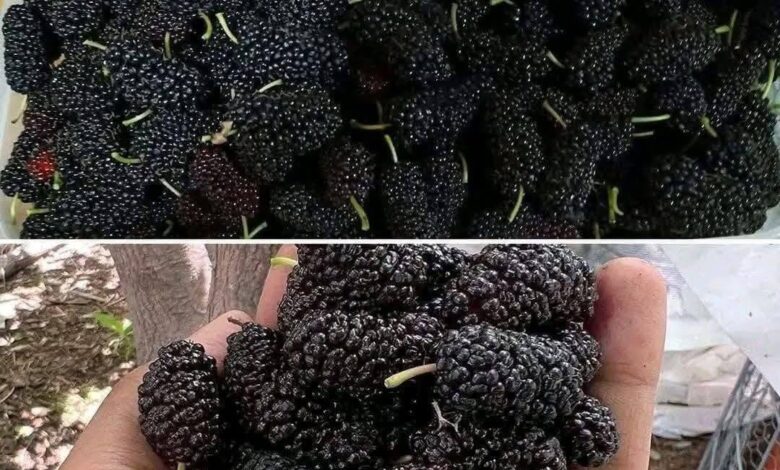
These dark berries look unusual, but many people say they offer surprising health benefits.
Many fruits are praised for their nutritional value, but few attract as much curiosity as the unusual dark-colored blackberries that have recently gained attention online. With their deep purple-black appearance and sweet-tart flavor, these berries stand out from ordinary fruits and have become a favorite among gardeners and fruit lovers.
Often mistaken for blackberries, these fruits are actually black mulberries, a fruit that has been cultivated for centuries in many parts of Asia, Europe, and the Middle East. They are soft, juicy, and packed with nutrients that may support overall health when included as part of a balanced diet.
Rich in Antioxidants
One of the biggest reasons nutrition enthusiasts appreciate black mulberries is their high antioxidant content. These compounds help protect the body’s cells from damage caused by free radicals. Antioxidants are commonly associated with healthy aging and may contribute to overall wellness.
The dark pigment that gives mulberries their rich color comes from anthocyanins, the same powerful compounds found in blueberries, black grapes, and other deeply colored fruits.
A Good Source of Vitamins and Minerals
Black mulberries contain a variety of nutrients, including:
Vitamin C
Vitamin K
Iron
Potassium
Dietary fiber
Vitamin C plays a role in immune function and collagen production, while potassium helps maintain normal blood pressure. Fiber supports digestive health and may help people feel full for longer periods.
May Support Digestive Health
Because mulberries contain fiber, they may help promote regular digestion. Fiber supports the movement of food through the digestive tract and contributes to gut health.
Many people enjoy eating mulberries fresh, while others add them to smoothies, yogurt, oatmeal, or homemade desserts.
Naturally Sweet With Fewer Calories
For those looking for a naturally sweet snack, mulberries can be an appealing alternative to processed sweets. Their natural sugars provide a pleasant taste without the need for added sweeteners.
When ripe, the berries become very soft and develop a rich, sweet flavor that many people compare to a mix of blackberries and figs.
Easy to Enjoy in Many Ways
Mulberries are incredibly versatile. They can be:
Eaten fresh
Dried as a snack
Added to smoothies
Mixed into yogurt
Used in jams and preserves
Baked into pies and desserts
Because they spoil quickly after harvest, many people prefer to eat them fresh or freeze them for later use.
A Fruit Worth Discovering
Although black mulberries may not be as famous as strawberries or blueberries, they have earned a loyal following among fruit enthusiasts. Their unique flavor, impressive nutrient profile, and versatility make them a fascinating addition to a healthy diet.
As with any food, mulberries are not a miracle cure, but they can be a delicious part of a balanced eating pattern. If you happen to come across these unusual dark berries at a market or in someone’s garden, they may be worth a try.
The fruit’s short life after picking helps explain why fresh mulberries can feel like a seasonal discovery rather than an everyday supermarket staple. Their softness is part of their appeal, but it also calls for handling them carefully and using them promptly. Freezing offers another way to keep the harvest available for the smoothies, baking, and other uses described above. Enjoying the flavor is reason enough to try them; the fruit does not need to be treated as a cure to have a place in a varied diet.